Shuozhong Wu1, Mingkai Zheng1, Yihan Zhang1
1 First Clinical Medical College, Guangdong Medical University, Zhanjiang 524023, Guangdong, China
Corresponding Author: Shuozhong Wu,2190392443@qq.com
Abstract
Objective: This two-sample Mendelian randomization (MR) study systematically evaluated the causal relationships between 179 plasma lipid species and acute pancreatitis (AP), with validation via genome-wide association study (GWAS) meta-analysis.
Methods: Genetic data for 179 lipid species were derived from the GWAS by Ottensmann et al., and summary-level data for AP were obtained from IEU OpenGWAS. MR analyses included inverse variance weighting (IVW), ConMix, MR-RAPS, doubly robust IVW (dIVW), and Bayesian weighted MR (BWMR). Sensitivity analyses were performed to assess pleiotropy, outliers, directionality, colocalization, and CAUSE effects. Meta-analysis was conducted across two independent GWAS datasets. Results are presented as odds ratios (ORs) with false discovery rate (FDR)-adjusted p-values (P_FDR).
Results: Two lipid species showed significant causal protective associations with AP: sterol ester (27:1/20:4) (OR = 0.884, P_FDR = 0.0010) and phosphatidylcholine (20:4_0:0) (OR = 0.882, P_FDR = 0.0050). Sensitivity analyses ruled out pleiotropy and reverse causality. Meta-analysis confirmed these protective effects.
Conclusion Two lipid species exert causal protective effects against AP. Meta-analysis across multiple GWAS supports their potential as biomarkers and therapeutic targets for AP prevention.
Keywords Mendelian randomization; Lipid species; Acute pancreatitis; Causal association
1. Introduction
Acute pancreatitis (AP) has become an increasingly important global health concern, affecting approximately 110–140 individuals per 100,000 people. Its growing prevalence has been associated partly with unhealthy diets and changing patterns of daily behaviour. Rather than arising from a single cause, AP may develop through several mechanisms, including gallstone-related blockage of pancreatic drainage, excessive alcohol intake, complications following endoscopic retrograde cholangiopancreatography (ERCP), medication-related injury and disruption of intracellular organelle function(Lee & Papachristou, 2019; Mederos et al., 2021; Tenner et al., 2024). Poorly managed AP can lead to local or systemic complications, including multi-organ failure and death(Zerem et al., 2023). Understanding potential risk factors for AP is therefore critical for prevention and management.
The four main indexes of circulating lipid levels are generally total cholesterol (TC), triglycerides (TG), low-density lipoprotein cholesterol (LDL-C) and high-density lipoprotein cholesterol (HDL-C). These molecules also provide metabolic support for life and cell-to-cell communication in the cell(Ottensmann et al., 2023). Earlier Mendelian Randomisation (MR) studies have shown that certain lipid species are causally associated with AP(Mi et al., 2022; Wang et al., 2024; Yan et al., 2024). Recent progress in lipidomics and circulating protein biomarkers has provided predictive, preventive and personalised strategies for inflammatory and metabolic diseases, and molecular signatures for disease risk stratification and therapeutic targeting are now being explored(Xiong et al., 2026). Therefore, research has begun to explore the application of all kinds of lipids in Alzheimer’s disease(Garg & Rustagi, 2018; Lin et al., 2022; Ottensmann et al., 2023).
Population-level causal inference through randomised controlled trials (RCTs) is generally limited by high costs, extended follow-up periods and complex logistics. Mendelian Randomisation (MR) can overcome some of the above problems by using inherited genetic variations as instrumental variables (IVs) to assess whether an exposure affects an outcome(Tin & Köttgen, 2021). Instrumental variants may be selected from genome-wide association studies (GWAS) or research focused on specific genes. A valid Mendelian randomisation analysis requires the selected variants to predict the exposure, remain unrelated to factors that confound the exposure–outcome relationship, and affect the outcome solely through the exposure being examined. Because alleles are allocated before birth, this framework reduces several biases common in observational research. It has consequently been used to evaluate causal pathways in cardiovascular disease, cancer, immune disorders, metabolic conditions and psychiatric illness(Davies et al., 2018).
To our knowledge, this study represents the first comprehensive two-sample MR investigation of 179 plasma lipid species in relation to AP risk, aiming to identify potential causal lipid biomarkers and provide insights for mechanistic understanding and therapeutic strategies.
2. Methods
2.1 Study Design
A two-sample Mendelian randomisation framework was used to determine whether inherited variation associated with 179 lipid species alters susceptibility to acute pancreatitis (AP). Genetic instruments were considered valid only when they reliably predicted the relevant lipid exposure, showed no relationship with potential confounding factors, and had no pathway to AP other than through that exposure.
2.2 Data Sources
Exposure estimates were taken from the lipidomic GWAS conducted by Linda Ottensmann et al., which analysed 179 lipid species in 7,174 participants of Finnish ancestry using shotgun lipidomics. Measurements were converted into standardised residual values, and the relevant records are available in the GWAS Catalog under accession numbers GCST90277238–GCST90277416. Outcome estimates were retrieved from IEU OpenGWAS (https://opengwas.io) using dataset ebi-a-GCST90018789. This European-ancestry dataset contained 3,798 individuals with ICD-10-defined acute pancreatitis and 476,104 unaffected controls. Since all information was obtained from open-access resources whose source studies had already secured participant consent and ethical clearance, no separate approval was necessary for the present analysis.
2.3 Instrument Selection and Data Harmonization
Candidate genetic instruments were defined separately for each lipid species by retaining SNPs associated with the relevant exposure at p < 1 × 10⁻⁵, consistent with the selection strategies reported by Rühlemann MC and Qin Y et al.(Qin et al., 2022; Rühlemann et al., 2021). Correlated variants were pruned through LD clumping, applying an r² threshold below 0.001 across a 10,000 kb interval. The exposure and outcome records were then oriented to the same effect allele. Strand-ambiguous A/T and C/G variants were removed when the minor allele frequency was unavailable or fell between 0.42 and 0.58. Effect estimates for all eligible variants were subsequently recoded into a consistent direction.
Instrument strength was evaluated separately for every retained SNP using F = R² × (N − 2) / (1 − R²). In this calculation, R² denotes the exposure variance accounted for by the variant, while N corresponds to the exposure-GWAS sample size. Any SNP producing an F statistic below 10 was discarded to limit bias from weak instruments(Burgess & Thompson, 2011).
2.4 Mendelian Randomization Analysis
Associations with the binary AP outcome were reported as odds ratios (ORs) and 95% confidence intervals (CIs) for each 1-SD increment in lipid concentration, or for one unit of the corresponding exposure GWAS. Causal estimation centred on the inverse-variance weighted approach (IVW) (Hemani et al., 2018). Result stability was examined using four additional models: contamination mixture (ConMix) (Burgess et al., 2020), MR robust adjusted profile score (MR-RAPS) (Yu et al., 2023), debiased IVW (dIVW) (Su et al., 2024), and Bayesian weighted MR (BWMR) (Zhao et al., 2020). Multiple testing was controlled through false discovery rate correction, with findings considered statistically significant when the adjusted P value remained below 0.05 across the five estimators.
2.5 Sensitivity and Horizontal Pleiotropy Analyses
Several diagnostic procedures were used to evaluate the reliability of the genetic instruments. Variation across SNP-specific estimates was examined with Cochran’s Q statistic, for which a P value below 0.05 denoted heterogeneity (Kulinskaya et al., 2011). Evidence of directional pleiotropy was investigated through the MR-Egger intercept test using the same significance threshold (Burgess & Thompson, 2017). MR-PRESSO additionally screened for influential outliers and horizontal pleiotropic effects at P < 0.05(Verbanck et al., 2018). Finally, each variant was removed in turn to determine whether any single SNP disproportionately affected the overall causal result.
2.6 Steiger Directionality Test
Potential confounding and reverse causation were addressed through additional variant screening. Any SNP showing a genome-wide association with BMI, alcohol intake, gallstone disease, glycaemic characteristics, lipid-metabolism traits or the outcome itself was removed using GWAS Catalog evidence at P < 5 × 10⁻⁸. Steiger analysis then verified that each retained instrument explained more variation in the assigned exposure than in acute pancreatitis(Hemani et al., 2017).
2.7 Colocalization Analysis
Colocalization was performed to determine whether the same causal variant underlies both the exposure and outcome signals in a given genomic region(Liu & Montgomery, 2020). Lipids showing positive MR associations were further assessed. SNPs were included if pval_gwas1 < 5×10⁻⁸ within a 50 kb gene window.
2.8 CAUSE Analysis
Lipid species producing significant findings in the initial MR models were re-evaluated with Causal Analysis Using Summary Effect estimates (CAUSE). This genome-wide approach accounts simultaneously for shared and independent horizontal pleiotropic effects(Morrison et al., 2020), allowing potentially spurious associations to be distinguished from causal signals that remain after pleiotropy is considered.
2.9 Multi-GWAS Joint Meta-Analysis Validation
To validate the causal associations identified in the primary MR analysis, two independent GWAS datasets were used: finn-b-K11_ACUTPANC (European ancestry; 3,022 cases, 195,144 controls; 16,380,428 SNPs) and ebi-a-GCST90018569 (East Asian ancestry; 827 cases, 177,471 controls; 12,454,648 SNPs).
Replication focused on the two lipid signals identified in the main analysis, Sterol ester [27:1/20:4] and Phosphatidylcholine [20:4_0:0]. Causal associations were estimated separately in each dataset through IVW, using SNPs selected at P < 1 × 10⁻⁵ and applying FDR correction. The resulting estimates were then synthesised under a fixed-effect meta-analytic framework. Cross-dataset inconsistency was quantified with Cochran’s Q and the I² measure, while the combined evidence was presented as pooled odds ratios with 95% confidence intervals to assess whether the observed relationships remained stable across populations.
2.10 Statistical Software
Statistical computation was conducted with R 4.4.1. The workflow relied mainly on TwoSampleMR 0.5.8 and MR-PRESSO 1.0, while causal orientation was examined through Steiger testing implemented with the r.test function in the psych library.
3. Results
3.1 Instrument Selection
Instrument preparation ultimately produced 4,390 distinct candidate variants after allele alignment and the exclusion of strand-ambiguous palindromic markers. Individual lipid traits were represented by 12–43 SNPs, with a median of 24 (Supplementary Table 3). Before this stage, selection at P < 1 × 10⁻⁵ followed by LD clumping had identified 4,506 exposure-associated variants, corresponding to a median of 25 per lipid and a range of 12–44 (Supplementary Table 1). Outcome-data retrieval initially returned 3,225 SNPs, of which 3,223 passed the relevant filters (Supplementary Table 2).
3.2 Mendelian Randomization Analysis
Screening across 179 lipid traits yielded two inverse associations that remained significant after FDR adjustment. In the IVW model, genetically predicted Sterol ester (27:1/20:4) corresponded to lower susceptibility to AP (OR = 0.884, 95% CI: 0.839–0.932, P_FDR = 0.0010). A comparable reduction was observed for Phosphatidylcholine (20:4_0:0) (OR = 0.882, 95% CI: 0.829–0.937, P_FDR = 0.0050). Two additional lipid signals also produced protective effect directions, although their adjusted probabilities exceeded the significance threshold. Estimates generated by the four complementary MR models showed similar patterns, supporting the stability of the principal findings (Table 1, Figure 1).
3.3 Sensitivity Analyses
Diagnostic testing did not identify substantial violations affecting either association. Instrument-specific estimates were mutually consistent, as the Q statistics were non-significant for Sterol ester (Q_FDR = 28, P = 0.59) and Phosphatidylcholine (Q = 23, P = 0.85) (Table 2). The MR-Egger intercept analysis did not detect directional pleiotropy (Table 3), which was consistent with the near-balanced distribution visible in the funnel plots. Sequential removal of individual variants produced no material change in the causal estimates (Figures 2 and 3). Likewise, MR-PRESSO identified no influential outliers, returning global-test P values of 0.459 and 0.855 for the two lipids, respectively (Table 4).
3.4 Directionality and Colocalization
Steiger directionality tests confirmed correct causal orientation for both lipid species (P < 5×10⁻⁸), indicating no evidence of reverse causation. Colocalization analysis revealed low posterior probabilities for shared causal variants (Sterol ester PP.H4.abf = 0.0367; Phosphatidylcholine PP.H4.abf = 0.0466), suggesting that the associations were driven by exposure effects rather than shared genetic architecture (Table 5, Figure 4).
3.5 CAUSE Analysis
CAUSE analysis supported a genuine causal relationship, with the causal model outperforming the sharing model for both Sterol ester (P = 0.0074) and Phosphatidylcholine (P = 2.04×10⁻⁸) (Supplementary Figure 1 and Supplementary Figure 2).
3.6 Meta-analysis
Combining estimates from the two GWAS sources produced the same inverse relationships for Sterol ester and Phosphatidylcholine. Between-dataset variation was absent for both lipid traits (I² = 0%; Figure 5), indicating that the associations were reproducible and aligned with the main Mendelian randomisation analysis.
4. Discussion
In this study, we identified two lipid species causally associated with acute pancreatitis (AP), with Sterol ester (27:1/20:4) and Phosphatidylcholine (20:4_0:0) showing statistically significant protective effects. All two lipids contain 20:4 fatty acids, suggesting their involvement in AP-related metabolic pathways and potential protective effects through multiple mechanisms. Previous studies have demonstrated that 20:4-derived prostaglandin E2 (PGE2) exerts anti-inflammatory effects by inhibiting NF-κB activation in pancreatic acinar cells, thereby attenuating the inflammatory cascade. NF-κB is a key transcription factor in inflammatory responses, and its activation promotes the release of multiple cytokines, exacerbating pancreatic tissue damage. Thus, PGE2 reduces inflammatory cytokine production and provides protection to pancreatic tissue.
Phosphatidylcholine (PC), a major component of cell membranes, may enhance resistance to enzymatic hydrolysis via its 20:4 content. In AP, abnormal activation and release of pancreatic enzymes contribute to autodigestion. The 20:4 fatty acids in PCs may alter cell membrane properties, reducing susceptibility to enzymatic hydrolysis and thereby lowering autodigestion risk(Su et al., 2024; Zhao et al., 2020). Sterol ester (27:1/20:4) may inhibit pancreatic stellate cell activation through the liver X receptor (LXR) pathway, delaying fibrosis progression(Kulinskaya et al., 2011). Based on the above results, it has been shown that these lipids can serve as biomarkers to identify high-risk groups and potential therapeutic targets in interventions for the 20:4 metabolic pathway.
Colocalisation analysis showed a low posterior probability for shared causal variants (PP.H4 < 0.05), indicating that the MR association observed was due to lipid exposure rather than shared genetics. This may be a new mechanistic biomarker for risk stratification and treatment. In light of the above, prediction, prevention and personalised medicine have shown promising results in the field of inflammatory and metabolic diseases using circulating biomarkers(Zhang et al., 2025). Similarly, metabolic health factors influence disease incidence in aging populations, such as stroke, highlighting the broader relevance of systemic metabolic indicators(Zhang et al., 2025).
Recent integrative genomics studies have identified causal pleiotropy at the AP-infection interface, and both metabolic and immune pathways contribute to AP pathogenesis and may offer new therapeutic targets (Zou et al., 2026). Biomarkers of oxidative stress, inflammation and insulin resistance have been shown to mediate the effects of metabolic and lifestyle factors on disease outcomes, and the protective effect of lipids may thus be exerted through interconnected inflammatory and metabolic networks(Wan & Cai, 2026). A general metabolic index of sarcopenia in the blood, such as a serum creatinine-to-cystatin C-based sarcopenia index, may also be associated with cancer(Luo et al., 2026). Collectively, the above results show that the protective effects of the identified lipids may be mediated by metabolic, inflammatory, tissue-integrity and oxidative-stress pathways, and they are potential targets for personalised prevention and treatment of arteriosclerosis.
Strengths of this study include using all-encompassing, current multi-dimensional plasma lipidomic data and presenting the first systematic MR analysis of 179 lipid species in relation to AP. The study subjects were all of European descent to reduce population stratification bias. Multiple sensitivity analyses, pleiotropy tests and leave-one-out analyses have all shown the same results. Other deficiencies include changes in lipid levels over time that may not be entirely reflected by a single observation, and potentially continuous environmental confounding factors. Despite the above limitations, our study has identified two lipid species that are strongly associated with AP and are thus promising mechanistic biomarkers for personalised prevention and treatment.
5. Conclusion
Using a two-sample MR approach, we demonstrated that two lipid species are inversely associated with the risk of acute pancreatitis, suggesting that lipid metabolic pathways may play a role in AP pathogenesis and providing directions for future experimental and translational studies.
| Expose | Outcome | MR method | OR(95% Cl) | P Value | P_FDR |
| Sterol ester (27:1/20:4) levels | Acute pancreatitis | IVW | 0.884(0.839-0.932) | 5.39×10⁻⁶ | 0.0010 |
| ConMix | 0.882(0.774-1) | 0.0002 | 0.0386 | ||
| MR-RAPS | 0.8856(0.838-0.936) | 1.54×10⁻⁵ | 0.0028 | ||
| divw | 0.883(0.837-0.932) | 5.39×10⁻⁶ | 0.0010 | ||
| Phosphatidylcholine (20:4_0:0) levels | Acute pancreatitis | BWMR IVW | 0.881(0.832-0.932) 0.882(0.829-0.937) | 1.417×10⁻⁵ 5.53×10⁻⁵ | 0.0025 0.0050 |
| ConMix | 0.885(0.789-0.993) | 0.0007 | 0.0046 | ||
| MR-RAPS | 0.881(0.826-0.940) | 0.0001 | 0.0110 | ||
| dIVW | 0.878(0.826-0.937) | 6.11×10⁻⁵ | 0.0055 | ||
| BWMR | 0.881(0.827-0.938) | 7.49×10⁻⁵ | 0.0067 |
Table 1. Mendelian Randomization Results for Two Lipid Species and Acute Pancreatitis
| Expose | SNPs | Method | Cochran’s Q Test Q | Q_df | Q_pval |
| Sterol ester (27:1/20:4) levels | 30 | IVW | 29.25 | 29 | 0.45 |
| MR Egger | 25.61 | 28 | 0.59 | ||
| Phosphatidylcholine (20:4_0:0) levels | 25 | IVW | 16.38 | 24 | 0.87 |
| MR Egger | 16.18 | 23 | 0.85 | ||
Table 2. Heterogeneity Assessment of Instrumental Variables
| Expose | outcome | MR-Egger intercept test | ||
| Intercept | SE | P | ||
| Sterol ester (27:1/20:4) levels | Acute pancreatitis | -0.0173 | 0.0090 | 0.0667 |
| Phosphatidylcholine (20:4_0:0) levels | Acute pancreatitis | -0.0043 | 0.0097 | 0.6593 |
Table 3. Horizontal Pleiotropy Assessment by MR-Egger Intercept
| Expose | outcome | MR Analysis | T-stat | P-value | OR(95%CI) |
| Sterol ester (27:1/20:4) levels | Acute pancreatitis | Raw | -4.5489 | 8.87×10⁻⁵ | 0.884(0.839-0.932) |
| Phosphatidylcholine (20:4_0:0) levels | Acute pancreatitis | Raw | -4.8048 | 6.82×10⁻⁵ | 0.883(0.839-0.929) |
Table 4. MR-PRESSO Global Test for Outlier Detection
| Expose | SNP | PP.H0.abf | PP.H1.abf | PP.H2.abf | PP.H3.abf | PP.H4.abf |
| Sterol ester (27:1/20:4) levels | 225 | 2.72×10-278 | 0.9581 | 1.49×10-280 | 0.0052 | 0.0367 |
| Phosphatidylcholine (20:4_0:0) levels | 284 | 3.32×10-193 | 0.9442 | 3.24×10-195 | 0.0092 | 0.0466 |
Table 5. Colocalization Analysis of Two Lipid Species and Acute Pancreatitis
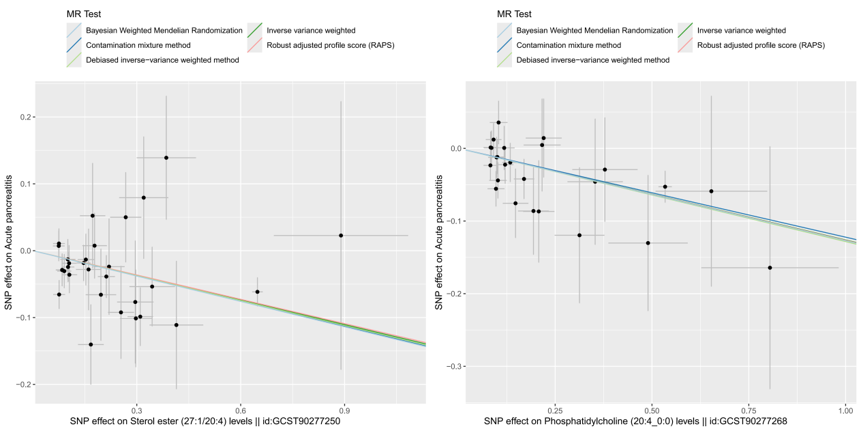
Figure 1. Effect Estimates and Scatter Plots Obtained Using Different MR Methods
Mendelian randomization estimates of the causal effects of lipid species on acute pancreatitis risk using five analytical methods. For each lipid, effect estimates for individual SNPs (black dots) and method-specific causal estimates (dashed lines) are shown. The x-axis shows the standardized lipid level (β), and the y-axis shows the effect on pancreatitis risk. MR methods are distinguished by the “MR Test” legend.
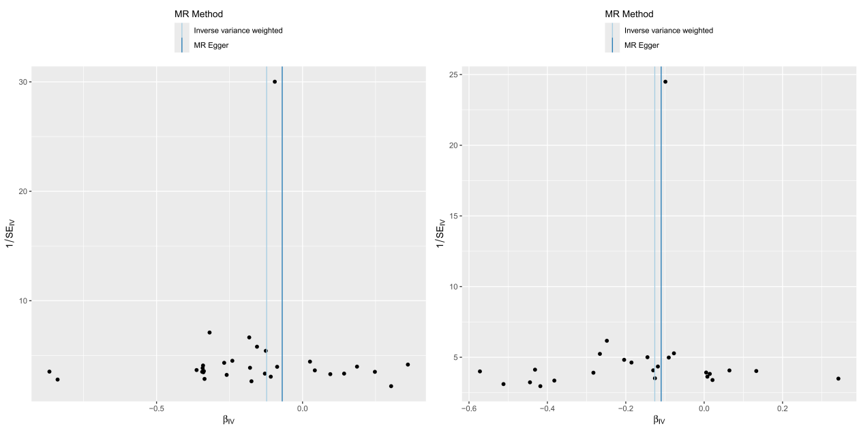
Figure 2. Funnel Plots of the Two Lipid Species
Funnel plots were used to examine the balance of instrumental-variable estimates under the IVW and MR-Egger models. Separate panels present the relationship between each lipid trait and susceptibility to acute pancreatitis. Horizontal coordinates show the exposure coefficient for each instrument (β_IV), whereas vertical coordinates report its precision as 1/SE_IV, with larger values indicating more precise estimates. Black points represent individual SNPs. The combined estimates are indicated by dashed lines, coloured light blue for IVW and dark blue for MR-Egger. Both abbreviations are defined in the figure legend.
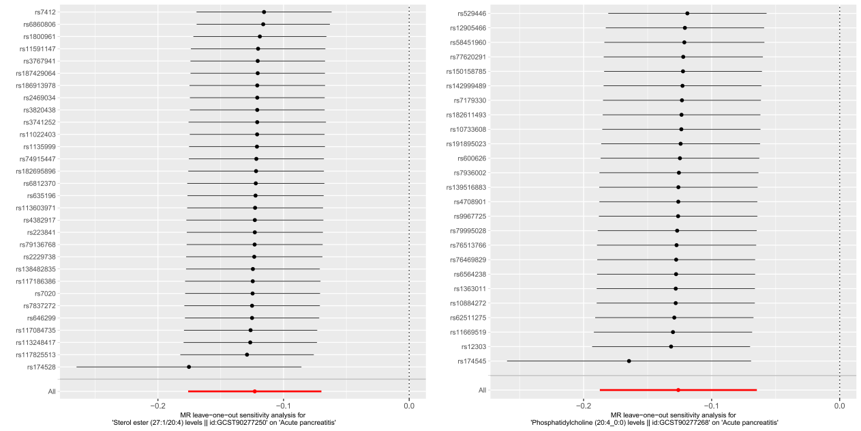
Figure 3. Leave-One-Out Analysis of the Two Lipid Species
Leave-one-out Sensitivity Analysis for the Causal Association between Lipid Species and Acute Pancreatitis Risk. Each subplot is a single lipid species, and the MR results remain the same after removing one genetic instrumental variable at a time. The x-axis is the MR effect estimate (β), and the change in the log odds ratio of acute pancreatitis per one-standard-deviation increase in genetically predicted lipid levels is shown. The y-axis shows the individual genetic instruments (SNPs) and “All” (the combined estimate from all SNPs). Black dots with horizontal lines are the effect estimates and 95% confidence intervals calculated after excluding one SNP at a time and re-estimating with the remaining SNPs. The red dot with a horizontal line is the pooled effect estimate and its 95% confidence interval from the inverse-variance weighted (IVW) analysis of all SNPs. The vertical dashed line at X = 0 is the null effect reference. Robustness of the MR result is shown when the direction and significance of the pooled estimate are not significantly altered after excluding any single SNP, indicating that the finding is unlikely to be caused by an individual genetic variant.
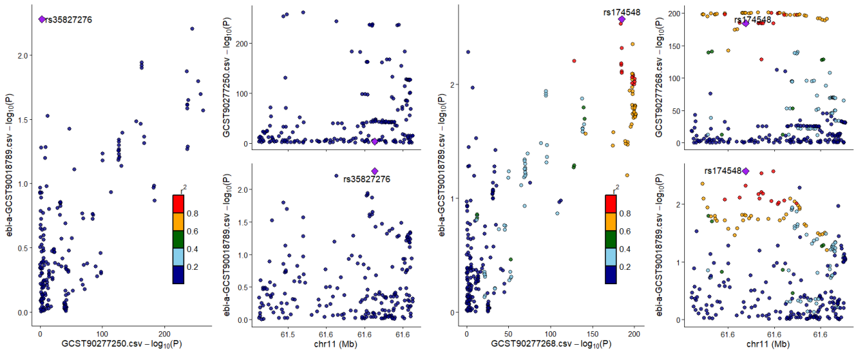
Figure 4. Colocalization Analysis Results
A scatter plot shows the association strength between all lipid traits (x-axis, −log₁₀(P)) and e(b-a) (y-axis, −log₁₀(P)), and each point corresponds to a genetic variant. A regional association plot is also shown, with the x-axis being the chromosomal position on chromosome 11 (Mb) and the y-axis being −log₁₀(P) values for e(b-a). Several rs identifiers in this region (e.g., rs35827276 and rs174548) have been annotated, and these variants may jointly cause the observed colocalization signal.
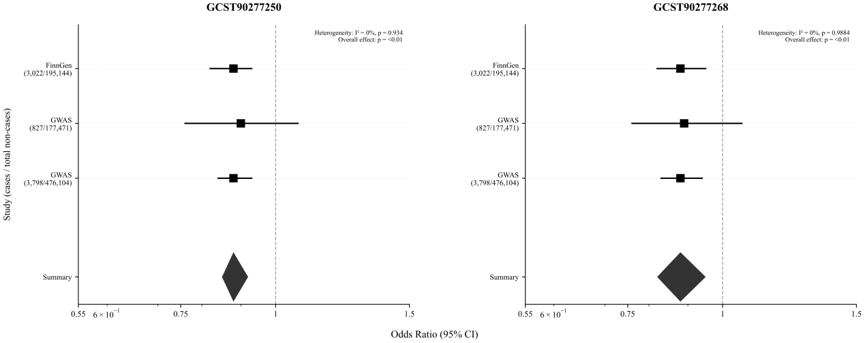
Figure 5. Meta-analysis of two lipid-related genetic variants (GCST90277250 and GCST90277268) in relation to acute pancreatitis risk.
Each panel shows cohort-level associations from the three separate GWAS datasets and the combined meta-analysis result. Study-specific ORs are shown as filled squares, and the adjacent horizontal bars represent their 95% CIs. The pooled association is shown as a black diamond in the last row, labelled “Summary”, and its width indicates the combined confidence limits. Draw a vertical line at OR = 1; thus, there is no genetic effect. Information above the panels reports I², the heterogeneity P-value and the significance level of the overall estimate. Numbers in parentheses beside each cohort name give the case count followed by the total number of control participants.
Contribution
Shuozhong Wu: Conceptualization and study design; data acquisition and curation; statistical analysis; interpretation of results; drafting of the original manuscript; manuscript revision; funding acquisition. Mingkai Zheng: Data analyses; figure and table preparation; writing and revision of selected sections. Yihan Zhang: Literature search and review; Data analyses; reference management; manuscript formatting and final proofreading.
Reference
Burgess, S., Foley, C. N., Allara, E., Staley, J. R., & Howson, J. M. M. (2020). A robust and efficient method for Mendelian randomization with hundreds of genetic variants. Nat Commun, 11(1), 376. https://doi.org/10.1038/s41467-019-14156-4
Burgess, S., & Thompson, S. G. (2011). Avoiding bias from weak instruments in Mendelian randomization studies. Int J Epidemiol, 40(3), 755-764. https://doi.org/10.1093/ije/dyr036
Burgess, S., & Thompson, S. G. (2017). Interpreting findings from Mendelian randomization using the MR-Egger method. Eur J Epidemiol, 32(5), 377-389. https://doi.org/10.1007/s10654-017-0255-x
Davies, N. M., Holmes, M. V., & Davey Smith, G. (2018). Reading Mendelian randomisation studies: a guide, glossary, and checklist for clinicians. Bmj, 362, k601. https://doi.org/10.1136/bmj.k601
Garg, R., & Rustagi, T. (2018). Management of Hypertriglyceridemia Induced Acute Pancreatitis. Biomed Res Int, 2018, 4721357. https://doi.org/10.1155/2018/4721357
Hemani, G., Tilling, K., & Davey Smith, G. (2017). Orienting the causal relationship between imprecisely measured traits using GWAS summary data. PLoS Genet, 13(11), e1007081. https://doi.org/10.1371/journal.pgen.1007081
Hemani, G., Zheng, J., Elsworth, B., Wade, K. H., Haberland, V., Baird, D., Laurin, C., Burgess, S., Bowden, J., Langdon, R., Tan, V. Y., Yarmolinsky, J., Shihab, H. A., Timpson, N. J., Evans, D. M., Relton, C., Martin, R. M., Davey Smith, G., Gaunt, T. R., & Haycock, P. C. (2018). The MR-Base platform supports systematic causal inference across the human phenome. Elife, 7. https://doi.org/10.7554/eLife.34408
Kulinskaya, E., Dollinger, M. B., & Bjørkestøl, K. (2011). On the moments of Cochran’s Q statistic under the null hypothesis, with application to the meta-analysis of risk difference. Res Synth Methods, 2(4), 254-270. https://doi.org/10.1002/jrsm.54
Lee, P. J., & Papachristou, G. I. (2019). New insights into acute pancreatitis. Nat Rev Gastroenterol Hepatol, 16(8), 479-496. https://doi.org/10.1038/s41575-019-0158-2
Lin, X. Y., Zeng, Y., Zhang, Z. C., Lin, Z. H., Chen, L. C., & Ye, Z. S. (2022). Incidence and clinical characteristics of hypertriglyceridemic acute pancreatitis: A retrospective single-center study. World J Gastroenterol, 28(29), 3946-3959. https://doi.org/10.3748/wjg.v28.i29.3946
Liu, B., & Montgomery, S. B. (2020). Identifying causal variants and genes using functional genomics in specialized cell types and contexts. Hum Genet, 139(1), 95-102. https://doi.org/10.1007/s00439-019-02044-2
Luo, P., Cai, S., Zhou, H., Zhu, J., Yang, Y., & Lian, Y. (2026). Association between sarcopenia index based on the serum creatinine to cystatin C ratio and cancer incidence in middle-aged and older adults in China: A nationwide cohort study. Nutrition, 145, 113084. https://doi.org/10.1016/j.nut.2025.113084
Mederos, M. A., Reber, H. A., & Girgis, M. D. (2021). Acute Pancreatitis: A Review. Jama, 325(4), 382-390. https://doi.org/10.1001/jama.2020.20317
Mi, J., Liu, Z., Jiang, L., Li, M., Wu, X., Zhao, N., Wan, Z., Bai, X., & Feng, Y. (2022). Mendelian randomization in blood metabolites identifies triglycerides and fatty acids saturation level as associated traits linked to pancreatitis risk. Front Nutr, 9, 1021942. https://doi.org/10.3389/fnut.2022.1021942
Morrison, J., Knoblauch, N., Marcus, J. H., Stephens, M., & He, X. (2020). Mendelian randomization accounting for correlated and uncorrelated pleiotropic effects using genome-wide summary statistics. Nat Genet, 52(7), 740-747. https://doi.org/10.1038/s41588-020-0631-4
Ottensmann, L., Tabassum, R., Ruotsalainen, S. E., Gerl, M. J., Klose, C., Widén, E., Simons, K., Ripatti, S., & Pirinen, M. (2023). Genome-wide association analysis of plasma lipidome identifies 495 genetic associations. Nat Commun, 14(1), 6934. https://doi.org/10.1038/s41467-023-42532-8
Qin, Y., Havulinna, A. S., Liu, Y., Jousilahti, P., Ritchie, S. C., Tokolyi, A., Sanders, J. G., Valsta, L., Brożyńska, M., Zhu, Q., Tripathi, A., Vázquez-Baeza, Y., Loomba, R., Cheng, S., Jain, M., Niiranen, T., Lahti, L., Knight, R., Salomaa, V., . . . Méric, G. (2022). Combined effects of host genetics and diet on human gut microbiota and incident disease in a single population cohort. Nat Genet, 54(2), 134-142. https://doi.org/10.1038/s41588-021-00991-z
Rühlemann, M. C., Hermes, B. M., Bang, C., Doms, S., Moitinho-Silva, L., Thingholm, L. B., Frost, F., Degenhardt, F., Wittig, M., Kässens, J., Weiss, F. U., Peters, A., Neuhaus, K., Völker, U., Völzke, H., Homuth, G., Weiss, S., Grallert, H., Laudes, M., . . . Franke, A. (2021). Genome-wide association study in 8,956 German individuals identifies influence of ABO histo-blood groups on gut microbiome. Nat Genet, 53(2), 147-155. https://doi.org/10.1038/s41588-020-00747-1
Su, Y., Xu, S., Ma, Y., Yin, P., Hao, X., Zhou, J., Fung, W. K., Jiang, H., & Wang, P. (2024). A Modified Debiased Inverse-Variance Weighted Estimator in Two-Sample Summary-Data Mendelian Randomization. Stat Med, 43(29), 5484-5496. https://doi.org/10.1002/sim.10245
Tenner, S., Vege, S. S., Sheth, S. G., Sauer, B., Yang, A., Conwell, D. L., Yadlapati, R. H., & Gardner, T. B. (2024). American College of Gastroenterology Guidelines: Management of Acute Pancreatitis. Am J Gastroenterol, 119(3), 419-437. https://doi.org/10.14309/ajg.0000000000002645
Tin, A., & Köttgen, A. (2021). Mendelian Randomization Analysis as a Tool to Gain Insights into Causes of Diseases: A Primer. J Am Soc Nephrol, 32(10), 2400-2407. https://doi.org/10.1681/asn.2020121760
Verbanck, M., Chen, C. Y., Neale, B., & Do, R. (2018). Detection of widespread horizontal pleiotropy in causal relationships inferred from Mendelian randomization between complex traits and diseases. Nat Genet, 50(5), 693-698. https://doi.org/10.1038/s41588-018-0099-7
Wan, Z., & Cai, S. (2026). Association between air pollution exposure, physical activity, and risk for cardiometabolic multimorbidity incidence: a cohort study from China. Int J Biometeorol, 70(2), 34. https://doi.org/10.1007/s00484-025-03122-z
Wang, B., Dron, J. S., Wang, Y., Choi, S. H., Huffman, J. E., Cho, K., Wilson, P. W. F., Natarajan, P., & Peloso, G. M. (2024). Lipid levels and risk of acute pancreatitis using bidirectional Mendelian randomization. Sci Rep, 14(1), 6267. https://doi.org/10.1038/s41598-024-56946-x
Xiong, Y., Yang, D., & Cai, S. (2026). The predictive, preventive, and personalized medicine of multiple sclerosis: ferroptosis and circulating proteins. Neurol Res, 48(6), 723-731. https://doi.org/10.1080/01616412.2025.2541908
Yan, C., Bao, J., & Jin, J. (2024). Exploring the interplay of gut microbiota, inflammation, and LDL-cholesterol: a multiomics Mendelian randomization analysis of their causal relationship in acute pancreatitis and non-alcoholic fatty liver disease. J Transl Med, 22(1), 179. https://doi.org/10.1186/s12967-024-04996-0
Yu, K., Chen, X. F., Guo, J., Wang, S., Huang, X. T., Guo, Y., Dong, S. S., & Yang, T. L. (2023). Assessment of bidirectional relationships between brain imaging-derived phenotypes and stroke: a Mendelian randomization study. BMC Med, 21(1), 271. https://doi.org/10.1186/s12916-023-02982-9
Zerem, E., Kurtcehajic, A., Kunosić, S., Zerem Malkočević, D., & Zerem, O. (2023). Current trends in acute pancreatitis: Diagnostic and therapeutic challenges. World J Gastroenterol, 29(18), 2747-2763. https://doi.org/10.3748/wjg.v29.i18.2747
Zhang, C., Xiong, T., Ren, K., Wu, H., Cai, S., & Wang, L. (2025). The interplay between metabolic health factors and stroke incidence in aging populations. Front Endocrinol (Lausanne), 16, 1646643. https://doi.org/10.3389/fendo.2025.1646643
Zhao, J., Ming, J., Hu, X., Chen, G., Liu, J., & Yang, C. (2020). Bayesian weighted Mendelian randomization for causal inference based on summary statistics. Bioinformatics, 36(5), 1501-1508. https://doi.org/10.1093/bioinformatics/btz749
Zou, B., Jiang, H., Ruan, J., Yang, D., Chen, X., Cai, S., & Yi, X. (2026). Integrative Genomics Reveals Causal Pleiotropy and Therapeutic Opportunities at the Interface of Acute Pancreatitis and Infection. J Hepatobiliary Pancreat Sci, 33(3), 194-207. https://doi.org/10.1002/jhbp.70041